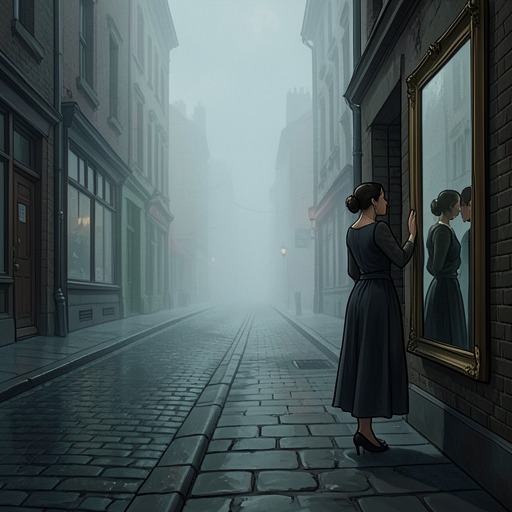
Will Robie—Laura Barksdale
The GuiltyWill Robie—Laura Barksdale is a formative relationship defined by an intense teenage promise, a sudden failure to keep it, and the long silence that followed. Robie left Cantrell expecting Laura to join him; she never came, and he spent years trying to reach her without receiving a reply. When he returns to Mississippi, the house where she once lived and the grounds where they made plans reopen a past he had never fully stopped imagining differently.
Identity and Early Connection
Robie recalls Laura as a girl who lived in the house he visits on his return. At Cantrell High, both were popular, though for different reasons: he was known for athletics and good looks, while Laura was admired for her intelligence, kindness, and beauty. Her family’s prestige, however, counted against her with some students. Their relationship began within this small-town setting, where Robie played football, basketball, and track and where the two could make plans in the familiar landscape of their youth.
Laura’s appeal to Robie was accompanied by a sense that she held something back. He read it in a look, in something she said, and sometimes in her silence. He asked her repeatedly to confide in him; she would smile, shake her head, and insist that she had told him everything. Then they would kiss, and, as he remembers it, his teenage attention would move elsewhere. The episode establishes intimacy and uncertainty together: Robie felt close to Laura, but his perception of a hidden burden never became an explanation, and the evidence does not disclose what, if anything, she withheld.
A Shared Future Planned
One evening in June, on the rear grounds of the Barksdale house, Robie and Laura swore undying love and made plans for a future together. The scene remained physically anchored in his memory: near a stacked rock wall, with the humid Gulf air around him, Robie remembers the place where they imagined leaving their present lives behind. He was already tall and broad-shouldered, hardened by year-round sports; the setting and his recollection join the bodily confidence of youth to the scale of the promise they made.
Robie had always intended to leave Cantrell. When he told Laura, she immediately asked him to take her with him. For him, that response made their future seem settled: the plan was not simply to escape alone but to go together. The later recollection of their vows contrasts with what happened next. The narrative gives no conversation in which they reconsider the plan, and no explanation from Laura for her absence. The promise survives in Robie’s memory, but its intended future does not.
The Night Laura Did Not Come
Robie packed his few belongings into a rusty Chevrolet and drove to the place they had arranged to meet the following night. He waited for three hours. When Laura did not arrive, he feared that something might have happened to her, so he drove to the Barksdale house and parked out of sight. From the front of the house he looked up at the second floor, to the third window on the left—Laura’s bedroom. Its light was on, and he could see her silhouette.
That sight gave Robie no account of why she had stayed away; it only made clear to him that she was not coming. He later reduces the reversal to the painful disparity between their vow and its duration, judging that her professed undying love had lasted fewer than twenty-four hours. At eighteen, he responded with the stubbornness he would recognize in retrospect: he returned to his car and drove without stopping until morning. He ate, slept in the car, and kept going until he saw the Atlantic Ocean. His departure was immediate; understanding, or any direct exchange between them, never followed in the evidence of their relationship.
Silence, Distance, and Return
Over the next couple of years, Robie wrote to Laura, urging her to join him, but received no reply. He also called the house; no one answered, and messages he left did not bring a call back. Despite this repeated silence, he continued telling himself that he would return for her and that they would be together. The correspondence and calls show that the night of her absence did not instantly end his attachment: he continued to orient his imagined future around a reunion even without a response from Laura.
Eventually, life intervened and the love Robie had held for her slowly faded. The years passed, and he never returned to Mississippi—until the present visit that frames the recollection. The house is therefore more than a reminder of an old girlfriend: it is the physical point from which a youthful plan, an unexplained absence, and years of unanswered attempts come back into sequence. Robie’s relationship with Laura is presented through what he remembers and what he could not learn. Its lasting force lies not in a later reconciliation, which the account does not establish, but in the contrast between the future they planned together and the life he began alone.